Buying a Medical Practice: A Complete Guide for Healthcare Professionals
For many healthcare professionals, owning your own practice can be an exciting next step in your career. It can mean the freedom to build your services and patient care according to your own high-quality standards, in a space designed according to your unique vision, but it can also incur a significant financial investment.
Whether you’re starting from scratch with a brand new medical practice and medical fitout in Sydney or buying an existing establishment, an experienced healthcare fitout specialist can help you make sense of the process, all the way from initial approvals to design and build.
In this guide, we’ll help unpack the ins and outs of buying a practice, from key considerations to what you can expect to influence your overall costs, to help you make a confident, informed decision for your new or existing medical practice purchase.
What is a Medical Practice?
If someone is talking about their medical practice, they’re more than likely discussing an established facility where different healthcare professionals come together to treat patients and offer their services. These most typically refer to the likes of general practices (GPs) and various speciality fields, but may also extend to cover veterinary or dental practices.
A medical practice is specifically designed for utility, safety, and regulatory compliance, with patient privacy and staff well-being front of mind. Whether building a new facility or renovating an existing one, many make use of professional medical fitout services to ensure every aspect of their practice meets strict healthcare regulations without sacrificing on patient comfort or overall efficiency.
Main Things to Consider When Acquiring a Medical Practice
If you’re intending to build a new practice from scratch, or moving into an existing space with dreams of renovating, there are a few key things to consider before you commit.
These include, but are not limited to, criteria set by The Royal Australian College of General Practitioners (RACGP) and DDA compliance standards.
Cost – have you properly assessed the financial pros and cons of buying a practice against your budget, with the various factors that will influence costs from opening and into the future?
Layout – are your facilities fit for purpose, with dedicated consultation and examination spaces? Can your waiting room design accommodate your usual or expected patients?
Accessibility – can patients with disabilities or special needs access your services?
Equipment – are your facilities fit for purpose and able to provide comprehensive primary care?
Hygiene – can patients and staff access toilets and hand-cleaning facilities?
Environment – is your space helping to put patients at ease from the moment they walk through your doors?


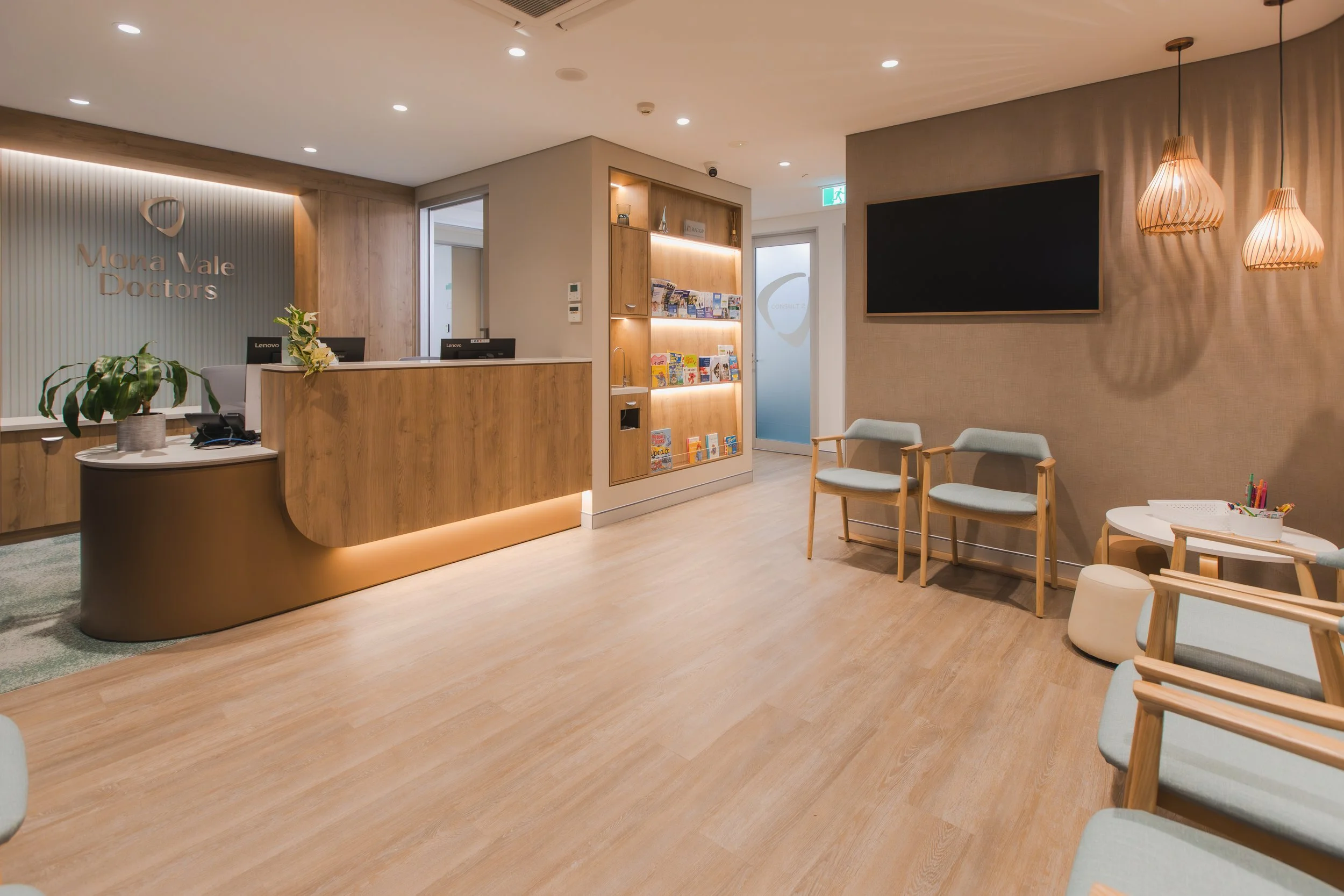

Buying an Existing Practice vs Buying a New Medical Practice
There are two different ways to acquire a medical practice in Australia: buy an existing practice or build one from the ground up.
Each approach comes with its own set of pros and cons in the short- and long-term, and we’ve covered some of those key considerations below:
- Tailor your patient experience from the very first day
- Income and cash flow may be slow in the beginning as you build a loyal patient base
- Immediate cash flow from an existing patient base
- Patients may follow staff to other practices
- Opportunity to hand-select your team and influence practice culture from day one
- Full training and induction required for all staff
- Less pressure to hire new staff quickly with experienced and trained staff already there
- Change coordination may be required for existing staff
- No existing negative reputation to try and overcome, with opportunity to fully control your business narrative
- No local base to build from in competitive markets
- Pre-established reputation with local clients
- Existing negative reviews could start you off on the back foot
- Fully customise your medical practice fitout to suit your vision and business objectives
- High additional up-front equipment costs to meet the needs of a new and empty practice
- Reduced planning, building, and set-up time
- Dated equipment or facilities may be present in older practices
- No rebranding required to shift existing market perception
- A launch marketing campaign may be essential to introduce and promote your new local presence
- No need for an extensive opening or launch campaign
- Rebranding may incur additional costs
If the new practice column is where you see yourself, our guide to setting up a new medical practice sets out the planning, registration, and accreditation steps in the order they need to happen.
Factors Influencing the Cost of a Medical Practice in Australia
Expenses – stamp duty, GST (if applicable), solicitor or legal fees, staff costs, fitouts or renovations, and marketing can quickly drive up the initial and long-term costs of owning and running a medical practice.
Location – if you’re buying a medical practice in a metropolitan area, you can expect to pay more than you would for a regional practice. Prices may also increase depending on the facility’s proximity to parking and public transport options.
Terms of ownership – was the previous owner of the site leasing, or did they own the premises? You may be liable to pay rent or mortgage installments according to the terms of the existing contract, and this can greatly impact your ongoing costs.
Type of practice – as specific criteria will differ from one type of practice to the next, so will the cost. For example, a dental practice fitout will call for different equipment, traffic flow, and facilities than a cardiology or multidisciplinary healthcare practice.
Assets – is the existing equipment and furniture included in your sale? If so, you should consider what may need replacing, removing, or simply updating, as every asset will be factored into a healthcare practice’s actual value, now and in the long term.
Staff – both hiring new staff and taking over existing staff contracts come with their own complexities, as new hires will require additional training and induction before they can start, and existing staff may come with pre-existing leave or pay entitlements you have to honour.
How you contract any fitout work affects your costs too, as a design and construct contract puts design and build with one contractor under a single agreed price.
Process for Buying a Medical Practice in Australia
Plan your business
To start a business, you first need a clear understanding of what that business will be. Consider what the goals of your healthcare practice will be, what unique value and care you’re providing to patients, where you intend to set up, and what steps you’re going to take to ensure high-quality services for everyone involved.
There are a few ways you can approach this, including:
Developing a full, comprehensive business plan for every aspect of your practice
Plan your budget carefully, according to your objectives and a reasonable scope of operations
Establishing a clear set of goals for key milestones (1 month, 6 months, 1 year, 5+ years, etc.)
Visualising your space to know what you want your practice to become, and how you want your staff and patients to experience it (you can go one step further and enhance the process from start to finish with input from professional medical fitout services)
Know your market
While there is a lot of potential for anyone looking to establish a medical practice in Australia, it’s vital that you carefully consider the market of your intended location before you sign any agreement.
Regional differences in patient demographics, funding opportunities, local competition, and the type of medical practice (general, dental, multi-disciplinary, etc.), can have an impact on the success of your practice. These variations can apply to your overall reputation, operations, and profitability.
To help you better understand that market landscape, you can make use of tools such as local and government health data, or the most recent health industry reports for your sector.
Conduct due diligence
Due diligence cannot be avoided if you want to ensure your medical practice is compliant, accredited, and aligned with your expectations.
The process for due diligence may seem complicated at first glance, but a qualified healthcare practice fitout specialist can help you navigate every step:
Legal review – ensuring your practice meets and complies with all necessary legal and licensing requirements (accurate and up-to-date provider numbers, Medicare approvals, lease/mortgage agreements)
Financial audit – reviewing the practice’s previous, current, and projected finances (including but not limited to its incoming and outgoing expenses, debts, and tax obligations)
Patients and revenue – determine how many active patients will be coming as part of the overall practice package, and how you intend to honour existing billing practices or implement new ones
Compliance – verify that every aspect of your practice meets medical industry standards, regulations, and accreditations (such as DDA compliance in healthcare fitouts)
Negotiate terms
There are a number of factors that determine the overall cost of any medical practice, and there are also a few key points you may be able to negotiate once due diligence has been met.
It’s always advised that you seek professional advice before you discuss sale terms, but you can expect most negotiations to cover the purchase price, any inclusions, staff transition periods, and whether or not you intend to lease the premises or purchase it outright.
Secure financing
How you finance your medical or dental practice purchase will depend on your individual circumstances. While a qualified financial advisor can help you determine the best path forward, general financing options include:
Loans – many major Australian banks consider a medical practice to be low-risk, and offer several lending options for healthcare professionals buying new or existing practices
Private finance – if you don’t wish to pursue a long-term loan, and don’t mind splitting your financial and operational responsibilities with a partner, you can explore private avenues
Government aid – you may be eligible for healthcare-related government assistance programs, as many are available for anyone looking to establish a practice in rural or regional locations
Confirm approvals and licensing
Whether you’re buying a new premises or taking over an existing one, you must ensure that your medical practice meets every local, state, or national regulation applicable to it.
This typically involves checking that all health licenses, equipment certifications, Medicare details, and billing information are accurate and up to date. Specialty practices (the likes of dental, cardiology, or physiotherapy) should also assess any additional compliance criteria, as these may apply.
If you’re unsure what this means for your facility, a professional healthcare fitout specialist can help you design a practice that’s both purposeful and compliant. They’ll work with you to ensure the highest standard of functionality and care at every stage, from approval to opening.
Integrate new operations
This step is beneficial for new and existing medical practices, but essential if you have existing staff and patients attached to your practice. If they experience a challenging transition period, your reputation will take an immediate hit, and you run the risk of this impacting your finances too.
To ensure a smooth handover, you can:
Communicate all changes in care and operations to your staff and patients as quickly and as transparently as possible
Provide comprehensive training for any new equipment or processes
Consider promoting your services to the local community with a launch (or relaunch) campaign
Plan for growth
When you open the doors to your new medical practice, you also open them to future opportunities, and the sooner you start to think about these, the sooner you can start building the foundations to reach them.
There are several steps you can take from the start to help encourage sustainable, competitive growth for your practice:
Review patient feedback for any areas to improve your care and local reputation
Provide the latest high-quality services, equipment, and facilities (such as Telehealth appointments, allied health integrations, and modern healthcare practice fitouts) to broaden your patient pool
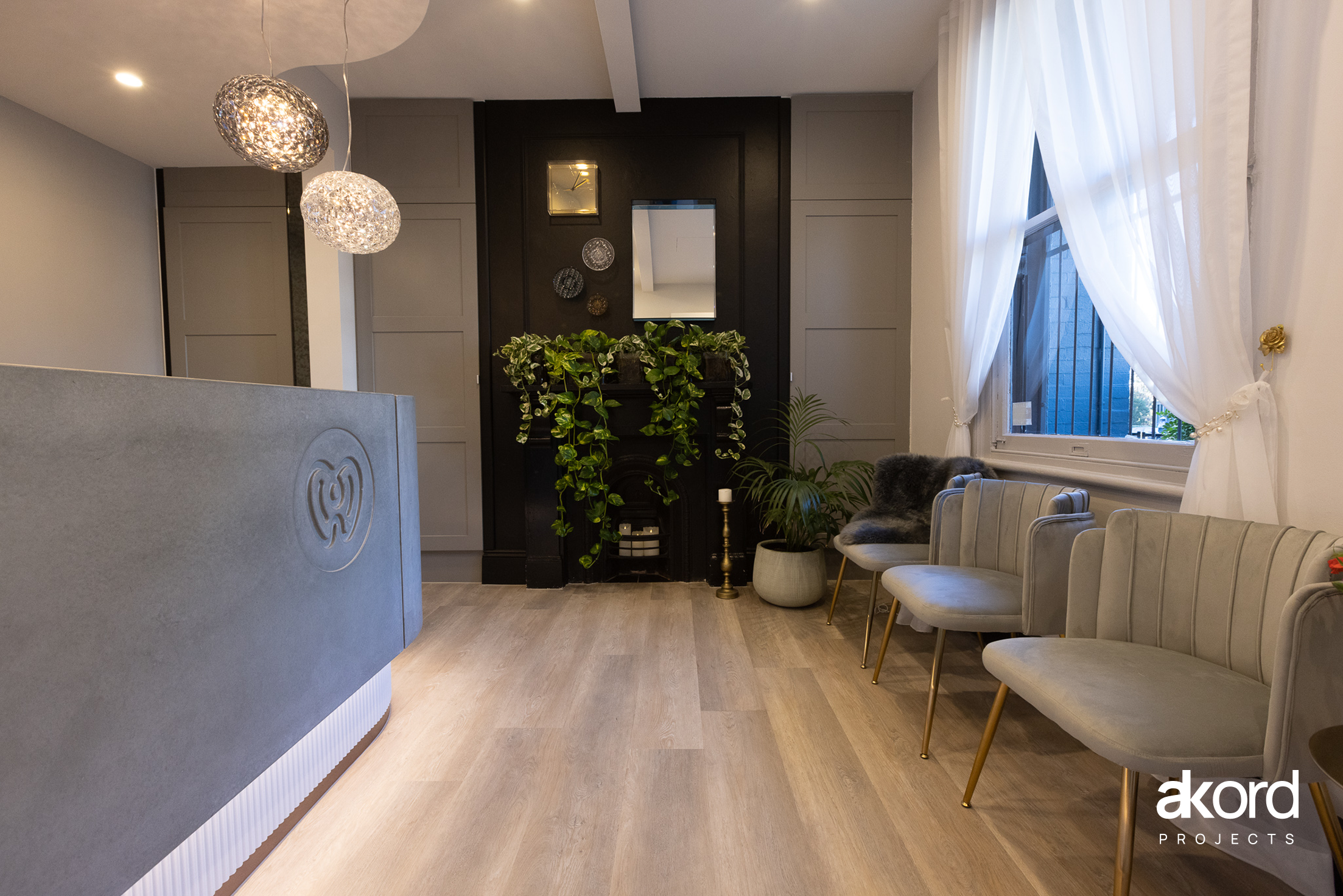
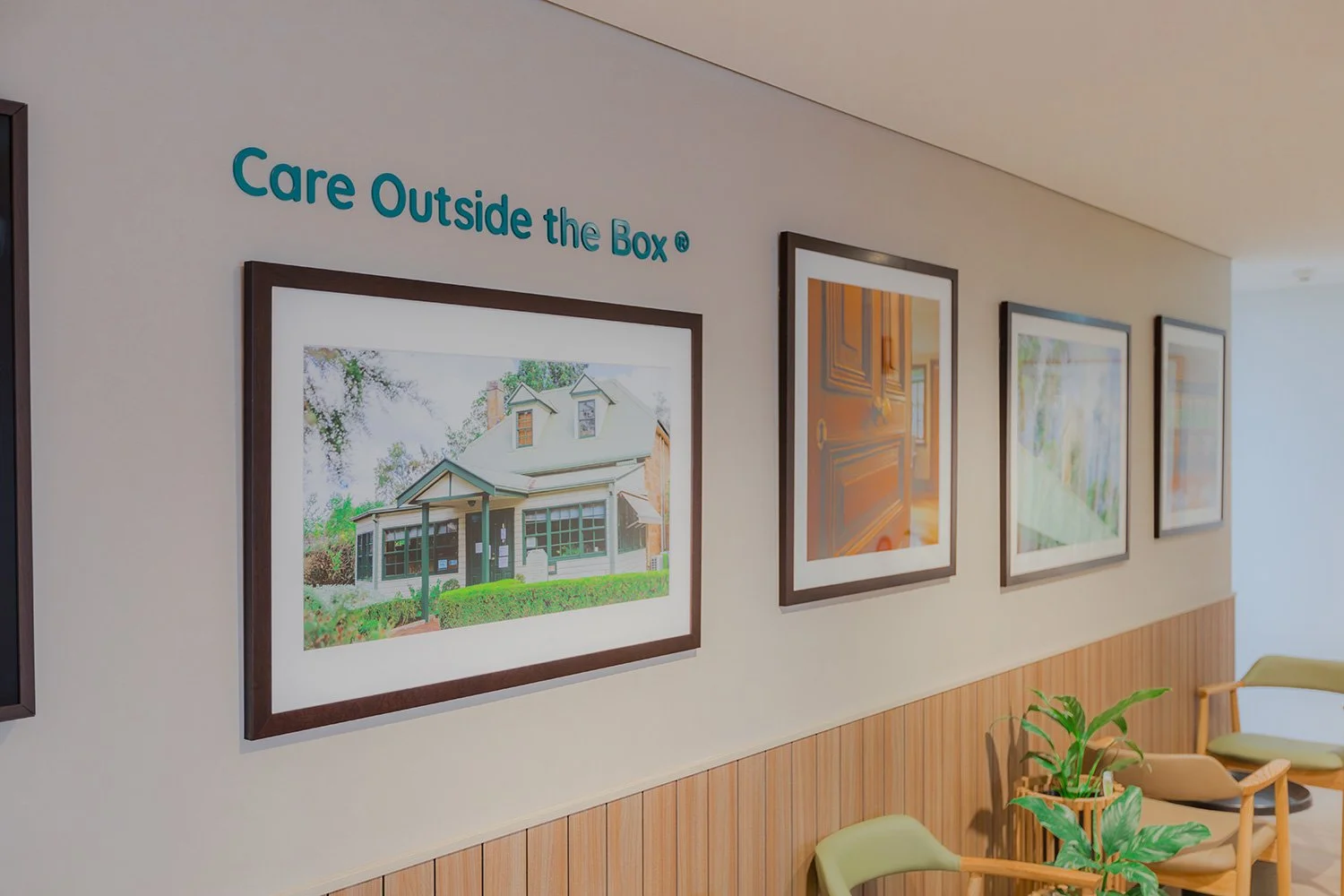
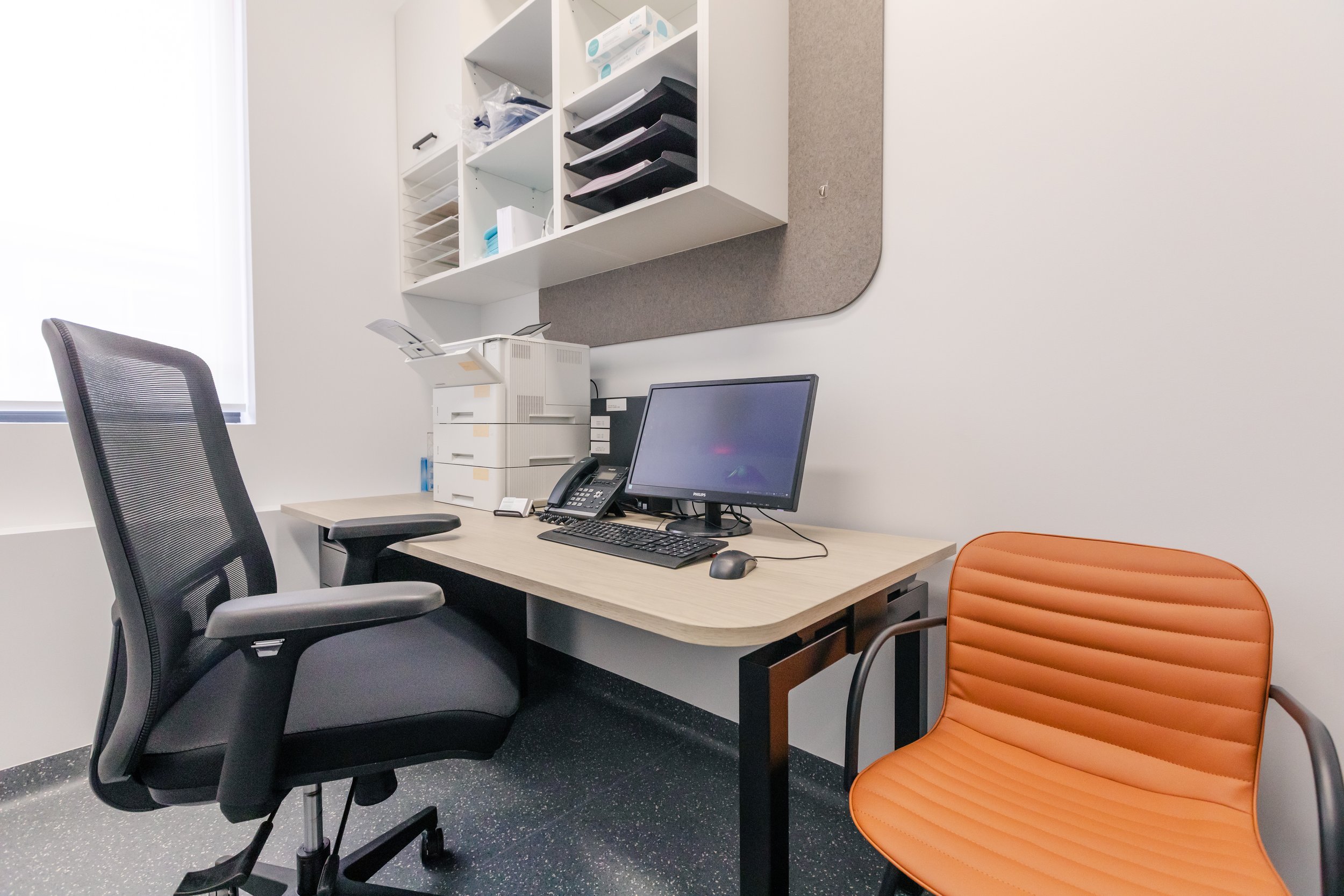
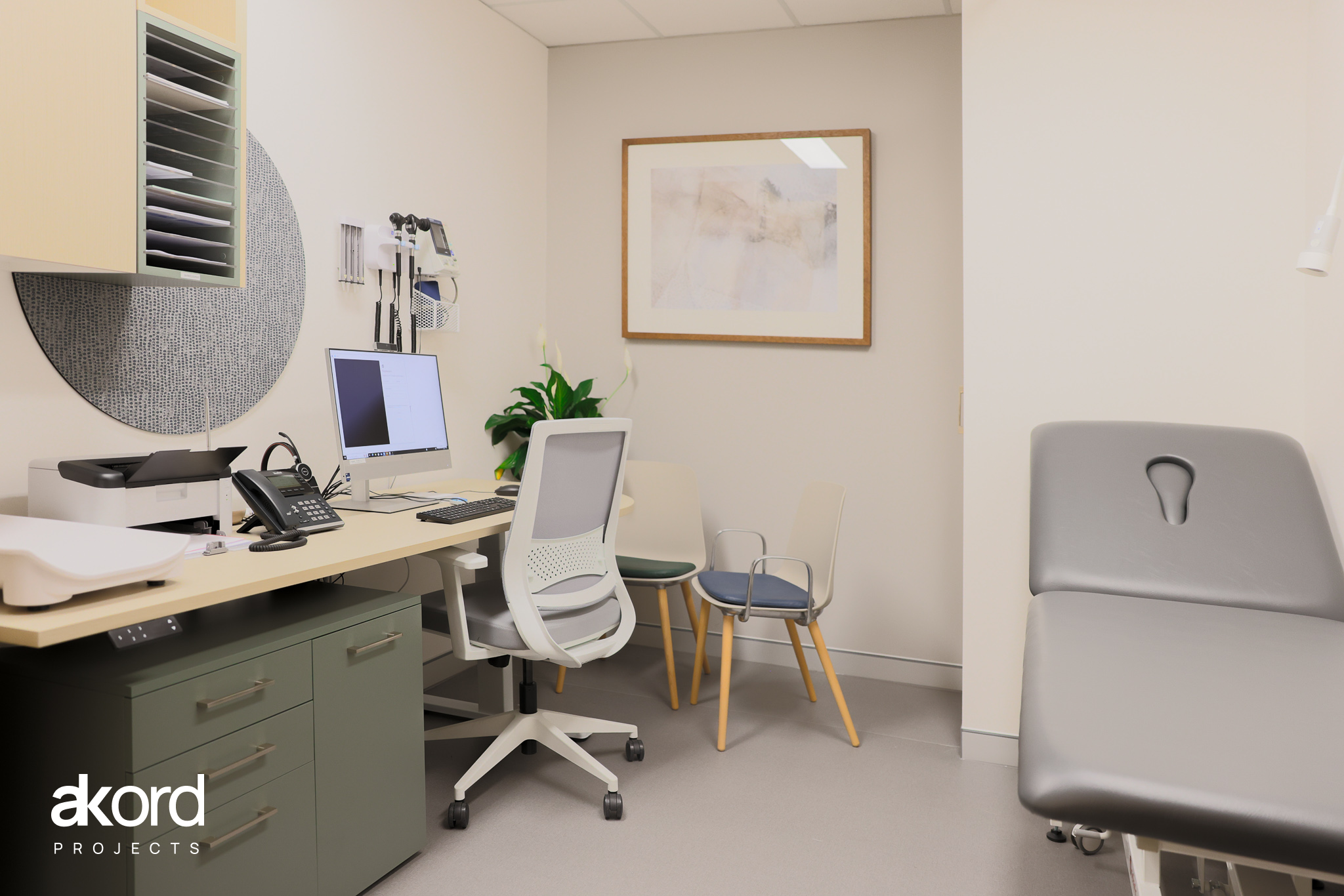
This can sound like a lot to juggle on top of running a new business, but a qualified and experienced healthcare fitout specialist in Sydney can help you navigate the entire process, from approvals all the way through to design and building.
With over 20 years of experience delivering professional healthcare fitouts, the team at Akord Projects understands that a well-designed practice doesn’t end with your clinic’s layout. Every patient and member of your team deserves the same high-quality care from your space as your service – no matter the size or scope.
If you’re ready to bring your vision to life, contact us today, and let’s get started.